
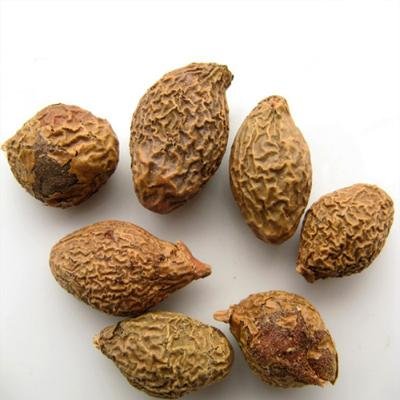
Malva Nut (Pang Da Hai) Dried Herb
$19.99
Malva Nut (Pang Da Hai)
Malva nut is a cooling, mucilage‑rich seed that expands into a soothing jelly when soaked, helping ease heat‑type sore throat and vocal strain. It also gently moistens the intestines, offering soft support for dryness‑related constipation.
Description
Malva Nut (Pang Da Hai) – Cooling, Throat-Soothing Seed for Voice & Digestive Comfort
Malva nut, also known as Pang Da Hai, Niranjan Phal, or China Fruit, is the dried seed of
Sterculia lychnophora, a tropical tree in the Malvaceae family. When soaked in water, the dark,
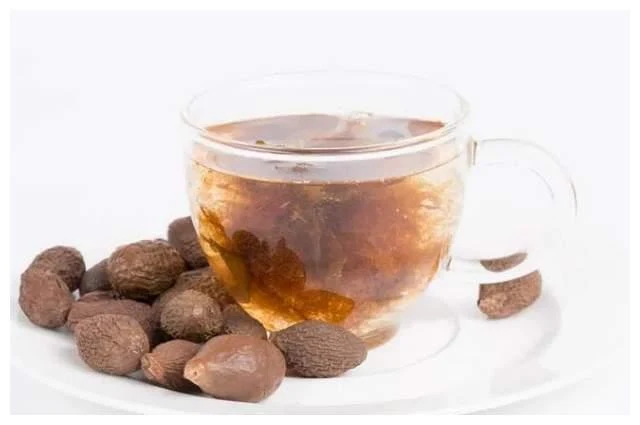
wrinkled seed dramatically swells into a soft, jelly-like mass rich in natural mucilage. This unique transformation
has made Malva nut a cherished traditional ingredient in Chinese medicine, Ayurveda, and Southeast Asian herbal
practice for cooling internal heat, soothing the throat, and gently supporting bowel regularity.
In Traditional Chinese Medicine, Pang Da Hai is classified as a cold, sweet herb that enters the
Lung and Large Intestine channels. It is widely used as a simple tea for sore throat, hoarseness,
dry cough, and loss of voice associated with heat or overuse of the voice. Teachers, singers, speakers, and
anyone who strains their vocal cords often rely on Malva nut infusions to cool Lung Heat, moisten dryness, and
restore clarity and resonance to the voice. Its mucilaginous gel coats the throat and upper airways, providing a
demulcent, soothing layer that eases irritation without harshness.
Beyond throat care, Malva nut’s hydrophilic mucilage gently moistens the intestines and promotes bowel movements,
acting as a natural bulk-forming, cooling support for heat-related constipation and dryness in the digestive tract.
In Ayurvedic traditions, Niranjan Phal is considered a Pitta-pacifying herb, used to cool excess heat,
support heavy menstrual bleeding, bleeding piles, and other conditions linked to aggravated Pitta and dryness.
Its sweet, slightly astringent taste and cooling energetics make it a valuable ally when modern lifestyle stress,
spicy foods, and irregular routines inflame the system.
The seed coat of Malva nut is rich in polysaccharide mucilage, including pectic and bassorin-type fractions,
which are responsible for its jelly-like expansion in water and its soothing, demulcent actions. These compounds
help form a protective, hydrating film over delicate mucous membranes in the throat and gut, supporting comfort
without stimulating or irritating tissues. The seed also contains characteristic fatty acids such as sterculic acid
and linoleic acid, contributing to its traditional profile as a cooling, moistening remedy rather than a
stimulating tonic.
Traditionally, Malva nut
Additional information
| Essential Remedies | |
|---|---|
| Health Conditions | Gut Wellness, Immune Wellness, Seasonal Allergy Support, Womens Health |


Reviews
There are no reviews yet.