
Best Supplements, Minerals & Vitamins for
Hair Growth: What Actually Works (Part 2)
By Christine Ruggeri, CHHC

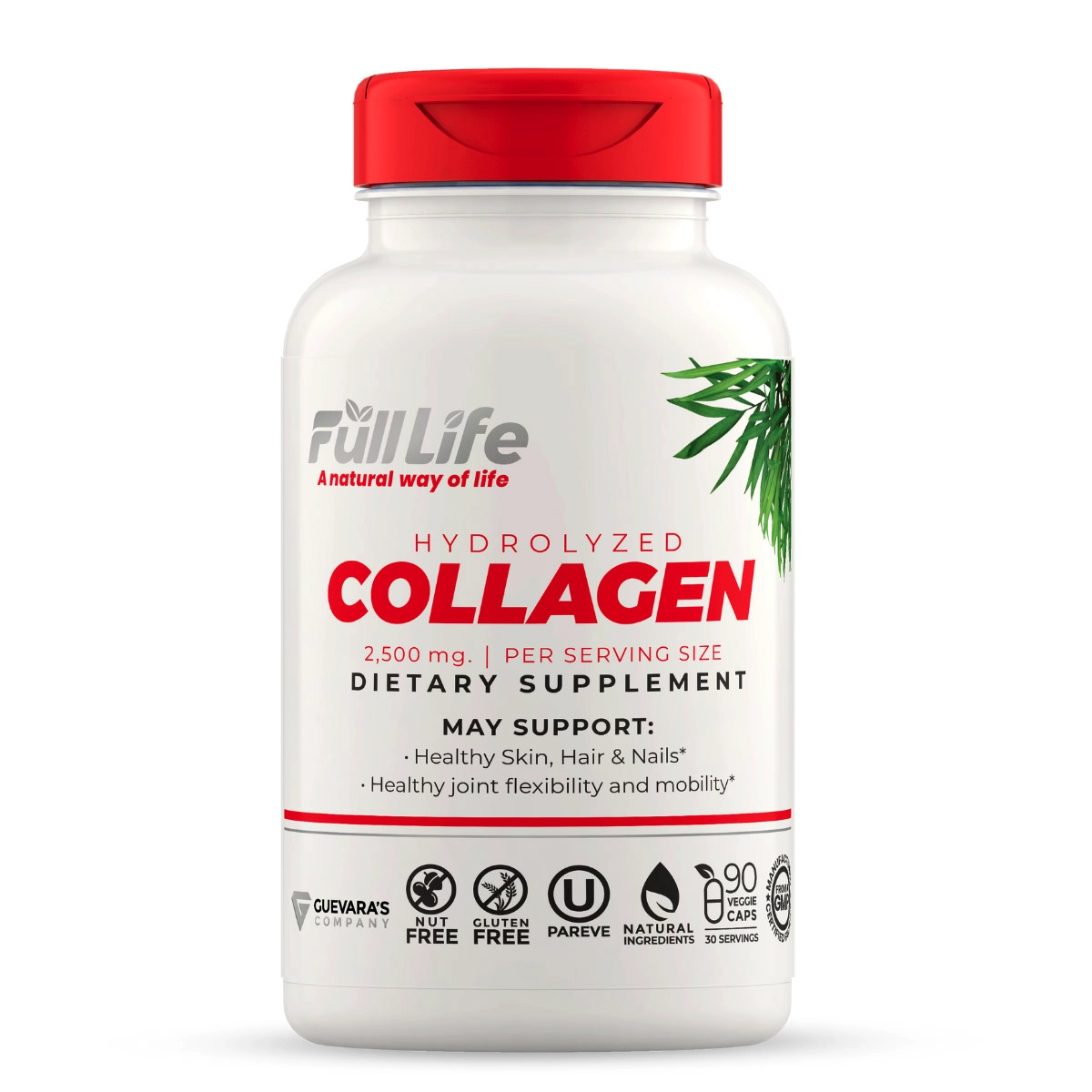
11. Collagen
Collagen is an essential protein that helps maintain the structure and strength of hair. As we age, collagen production decreases, which can lead to brittle, thinning hair.
Supplementing with collagen can support hair growth by providing the necessary amino acids for building hair proteins and strengthening hair follicles.
You can eat collagen-rich foods and other collagen-promoting foods as well, such as eggs, meats and fish. These foods also contain other minerals and vitamins for hair growth.
12. Vitamin A
Vitamin A is essential for cell growth, including hair cells. It helps the scalp produce sebum, an oily substance that keeps the scalp hydrated and promotes healthy hair.
Some of the top vitamin A foods to eat include beef liver, sweet potatoes, carrots and fish.
However, it’s important to maintain the right balance, as too much vitamin A can actually lead to hair loss.
13. Protein (Keratin)
Hair is primarily made of a protein called keratin. Ensuring you have adequate protein intake is crucial for hair strength and growth.
A deficiency in protein can lead to brittle, weak hair that is more prone to breakage. Eating a protein-rich diet or supplementing with protein can help ensure hair has the building blocks it needs for growth.
14. Iodine
Iodine plays a critical role in thyroid function, and an underactive thyroid can lead to hair thinning and hair loss. Ensuring adequate iodine intake supports thyroid health, which in turn helps maintain healthy hair growth.
A deficiency in iodine can lead to hair becoming dry, brittle and more prone to shedding.
Add iodine-rich foods to your diet, like kelp, seaweed, cod, eggs and others. As an added bonus, many of these foods contain several minerals and vitamins for hair growth.
15. Folic acid
Folic acid, a B vitamin, is vital for cell division and the production of red blood cells. It helps deliver oxygen and nutrients to the scalp and hair follicles, promoting healthy hair growth.
Folic acid deficiencies can result in hair thinning and even hair loss, so ensuring you get enough of this vitamin is crucial for maintaining strong, healthy hair. Some of the best folic acid foods include lentils, broccoli, wheat germ, beets, beef liver, avocado and more.
16. Vitamin B2 (riboflavin)
Riboflavin is essential for cellular energy production and plays a role in metabolizing other nutrients necessary for hair growth, such as iron and B6. Deficiency in riboflavin has been linked to hair loss and skin disorders.
One comprehensive review of vitamins and minerals in human hair health stated that “only riboflavin, biotin, folate, and vitamin B₁₂ deficiencies have been associated with hair loss,” explaining that B2 deficiency disrupts cellular metabolism in hair follicles, impairing growth and causing shedding.
Clinically, repletion of riboflavin in deficient individuals reverses these effects, restoring normal follicular function and subsequent hair regrowth. Thus, maintaining adequate riboflavin levels is essential to support the metabolic demands of hair follicles and mitigate deficiency-related alopecia in humans.
17. Vitamin B3 (niacin)
Niacin improves blood circulation, including to the scalp, which can nourish hair follicles. It also helps maintain the structure of the hair shaft and supports healthy skin and hair growth.
A double-blind, placebo-controlled pilot study published in 2005 investigated the effect of topical niacin derivatives on women suffering from female pattern hair loss. Sixty participants applied either a niacin derivative formulation or a placebo for six months, with hair fullness assessed via standardized 35-mm photographic analysis.
At the end of the trial, the niacin-treated group demonstrated a statistically significant improvement in hair fullness compared to placebo.
Some of the top niacin foods to eat include chicken, liver, tuna, turkey, salmon and legumes.
18. Vitamin B12
Vitamin B12 is critical for red blood cell production and oxygen delivery to the scalp. A deficiency in B12 may contribute to hair thinning, especially in people following plant-based diets where this vitamin may be lacking.
A 2022 case-control study conducted in India explored the relationship between serum vitamin B12 levels and chronic telogen effluvium in humans. The researchers recruited 35 patients (mean age 31) with chronic telogen effluvium and 35 healthy control individuals, measuring their Vitamin B12 concentrations.
They found that 60 percent of those with hair shedding were deficient in B12 compared to only 26 percent in the control group, a difference that was statistically significant.
The authors proposed that because hair matrix cells are among the most rapidly dividing in the body and require DNA synthesis, adequate Vitamin B12 is essential for follicle proliferation. Thus, B12 deficiency may contribute to impaired growth and excessive shedding.
Some of the top B12 foods to eat include beef liver, nutritional yeast, mackerel, beef, cottage cheese, eggs and more. As you can see, B vitamins are some of the most important vitamins for hair growth.
19. Selenium
Selenium acts as an antioxidant and supports thyroid function, which is closely tied to hair health. Both deficiency and excess selenium can lead to hair problems, so optimal balance is key.
A prospective, assessor-blinded, randomized study published in 2023 included 83 adult participants (mean age 41) diagnosed with androgenetic alopecia or chronic telogen effluvium. The researchers evaluated the effects of a supplement containing amino acids, iron, selenium and marine collagen alongside standard treatments compared to standard treatments alone.
Over 12 weeks, the group receiving the selenium-containing supplement exhibited significantly greater improvement on the seven-point Global Assessment Score (GAS), as determined through blinded photographic evaluation. Most patients reported enhanced hair density and reduced shedding compared to controls.
These findings suggest that selenium, in combination with other micronutrients, may potentiate conventional therapy, supporting improved hair growth and clinical outcomes in humans.
In addition to supplements, you can eat selenium-rich foods like nuts, fish, poultry and mushrooms, which also contain several other vitamins for hair growth.
20. Magnesium
Magnesium helps with protein synthesis and stress reduction, both important for hair growth. Chronic stress and low magnesium levels have been linked to telogen effluvium, a form of temporary hair loss.
A randomized, double-blind clinical trial conducted in Iran in 2022 examined the effects of daily oral magnesium supplementation (approximately 96 milligrams/day) over 10 weeks in 64 women diagnosed with polycystic ovary syndrome (PCOS). Among several outcomes, the researchers specifically assessed alopecia, using a validated hair-loss scoring system, at both baseline and study conclusion.
The magnesium group experienced a statistically significant reduction in alopecia scores compared to their baseline, while the placebo group showed no meaningful change.
Although the study’s primary design wasn’t focused on general hair growth, the observed improvement in hair loss suggests that magnesium supplementation may support hair follicle health, potentially through roles in protein synthesis, inflammatory modulation and cellular proliferation.
Foods high in magnesium to eat include wheat bran, amaranth, nuts, seeds and more.
What stops hair growth?
Hair is considered to be a major component of an individual’s general appearance, and the psychological impact of hair loss results in detrimental changes in self-esteem and self-worth. It also affects a large number of people, as up to 50 percent of men are affected by genetic hair loss by the age of 50.
In women, the major cause of hair loss before the age of 50 is nutritional. The main cause of hair loss for women appears to be depleted iron stores, but corrections of these imbalances can stop the excessive hair loss within a few months.
Factors that inhibit hair growth include:
- Poor nutrition
- Hormonal changes
- Family history
- Medications
- Radiation therapy
- Pregnancy
- Thyroid disorders
- Anemia
- Autoimmune diseases
- Polycystic ovary syndrome
- Skin conditions (such as psoriasis and seborrheic dermatitis)
- Stress
- Dramatic weight loss
- Physical trauma
By getting more of the supplements, minerals and vitamins for hair growth mentioned above, however, you can help slow hair thinning and actually promote hair growth.
Frequently asked questions
Do vitamins for hair growth really work?
Vitamins and supplements can help with hair growth if a deficiency is the root cause of hair thinning or hair loss. Nutrients like biotin, zinc, iron, vitamin D and B vitamins play key roles in follicle health and hair production.
However, if your hair loss is due to genetics, hormones or medical conditions (like alopecia areata), vitamins for hair growth may have limited effect.
How do supplements and vitamins for hair growth actually work?
These nutrients support healthy hair by:
- Strengthening hair follicles
- Improving blood flow to the scalp
- Supporting keratin production, the main protein in hair
- Reducing oxidative stress and inflammation, which can damage follicles
For example, vitamin D helps create new follicles, while iron and zinc help deliver oxygen and nutrients to hair roots.
Do vitamins for hair growth make me grow hair everywhere?
No, hair growth vitamins do not stimulate hair growth on the entire body. They support the normal hair cycle primarily on the scalp, where the follicles are more sensitive to hormonal and nutritional changes.
Vitamins for hair growth won’t cause sudden growth on areas like the face, chest or back unless those areas are already hormonally active.
Are there any other side effects of hair growth vitamins?
Yes. While typically safe when used appropriately, some side effects of nutrients and vitamins for hair growth may include:
- Breakouts or acne (especially with high-dose biotin)
- Upset stomach or nausea
- Allergic reactions (rare, but possible)
- Interactions with medications, especially if taking high doses of fat-soluble vitamins or minerals
In addition, over-supplementation of certain nutrients (like selenium or vitamin A) can actually cause hair loss.
What are the best vitamins for hair growth?
Some of the most effective supplements and vitamins for hair growth include:
- Biotin (B7)
- Vitamin D
- Vitamin B12
- Vitamin C
- Iron
- Zinc
- Vitamin A (in moderation)
- Magnesium
- Selenium
- Niacin (B3)
- Riboflavin (B2)
These work together to support follicle strength, scalp health and protein synthesis.
Which supplements are best for hair loss in females?
For women, the most effective hair-supporting supplements often include:
- Biotin
- Vitamin D3
- Iron (especially if menstruating or anemic)
- Zinc
- Collagen peptides
- B-complex vitamins
- Saw palmetto (for hormone-related thinning)
- Ashwagandha (helps with stress-related hair loss)
A comprehensive women’s hair supplement often combines many of these.
Can too much biotin cause hair loss?
Too much biotin is not known to directly cause hair loss, but extremely high doses can:
- Disrupt lab test results (e.g., thyroid, cardiac markers)
- Cause acne-like skin breakouts
- Create nutrient imbalances (e.g., reduce absorption of other B vitamins)
This may indirectly affect hair health, but hair loss from biotin excess is rare.
Can lack of zinc cause hair loss?
Yes. Zinc deficiency is a known cause of hair loss, particularly telogen effluvium, where hair prematurely enters the resting phase.
Zinc plays a key role in follicle health, cell regeneration and sebum regulation on the scalp.
How much magnesium should I take for hair growth?
Magnesium needs vary by age and gender. For adults:
- Women: 310-320 mg/day
- Men: 400-420 mg/day
There’s no specific “hair growth dose,” but taking enough magnesium daily through food or supplementation may support scalp circulation and reduce follicle calcification. Avoid exceeding 350 mg/day of supplemental magnesium unless supervised by a doctor.
What vitamin deficiency causes hair loss the most?
The most common deficiencies linked to hair loss include biotin, iron, vitamin D and zinc. Low levels of vitamin B12, riboflavin and niacin can also contribute.
Can taking too many vitamins cause hair loss?
Yes. Over-supplementing with certain vitamins, such as vitamin A or selenium, may actually trigger hair loss. It’s important to stick to recommended dosages or work with a healthcare provider.
How long does it take for vitamins to improve hair growth?
It typically takes three to six months of consistent supplementation and dietary changes to notice improvements in hair thickness and growth.
Should I take a multivitamin or individual supplements for hair growth?
A high-quality multivitamin that contains key nutrients for hair health is often a good starting point. However, if you have a known deficiency (e.g., iron or B12), targeted supplementation may be necessary.
Is it better to get these vitamins from food or supplements?
Whole foods are ideal because they provide nutrients in their most bioavailable forms, along with other synergistic compounds. However, supplements can help fill in gaps when dietary intake is insufficient.
Are there natural sources of these hair growth vitamins?
Yes. For example:
- Vitamin B2 is in eggs, almonds, spinach
- Vitamin B3 is in turkey, salmon, brown rice
- Vitamin B12 is in beef liver, sardines, eggs
- Selenium is in Brazil nuts, tuna
- Magnesium is in leafy greens, pumpkin seeds, dark chocolate
Final thoughts
- A major contributor to hair loss is poor nutrition, resulting in vitamin deficiencies.
- Studies have shown that women with an iron deficiency are at a higher risk of hair loss, and serum ferritin levels below or equal to 30 milligrams/milliliter are strongly associated with telogen hair loss. Low serum zinc levels have also been linked to alopecia areata cases.
- Oils rich in different fatty acid species have been used extensively in both animal and human studies to evaluate the effects on skin and hair health, while there is strong evidence that supports certain supplements and vitamins for hair growth.
- (Castor oil, for instance, can help hair growth.)
- Free radical damage can cause hair aging, and vitamin C can help protect the scalp and fair follicles from this major hair growth inhibitor.
- Biotin and pantothenic acid (vitamin B5) have been used as alternative treatments for hair loss. Biotin rebuilds hair shingles, and vitamin B5 supports the adrenal glands, making them important vitamins for hair growth.
- Research has revealed that insufficient levels of vitamin D have been implicated in a variety of autoimmune diseases, including alopecia areata, which is why vitamin D is among the top vitamins for hair growth.
- The top supplements, minerals and vitamins for hair growth include fish oil, zinc, B vitamins, vitamin C, iron, vitamin D, saw palmetto, ashwagandha, vitamin E, curcumin, collagen, vitamin A, protein, magnesium, selenium, B12, niacin, riboflavin and iodine.


Multi VitaZen Complete
Comprehensive multivitamin and mineral formula with bioactive nutrients and support blends for optimal wellness and healthy aging.